
Introduction
Polly Elwes was a pioneering British broadcaster whose career helped change the way women appeared on television during the early years of modern broadcasting. Born Mary Freya Elwes on 29 February 1928, she became widely recognized for her work as a television reporter, radio journalist, actress, and popular panel-show personality. Her career reached a particularly important point when she worked as a roving reporter for the BBC’s Tonight between 1959 and 1962.
Away from serious current affairs, she also appeared on well-known programmes including What’s My Line?, Juke Box Jury, and Face the Music. Later, she moved into lifestyle television and became a beauty expert through the series Let’s Face It. Her marriage to BBC executive and presenter Peter Dimmock also connected her to one of Britain’s most influential broadcasting families. Her life remains interesting because it reflects both the opportunities and limitations faced by women working in mid-20th-century British television.
Quick Facts About Polly Elwes
| Fact | Details |
|---|---|
| Full name | Mary Freya Elwes |
| Professional name | Polly Elwes |
| Born | 29 February 1928 |
| Place associated with birth | England |
| Profession | Broadcaster, journalist, actress |
| Best known for | BBC’s Tonight |
| Tonight career | Roving reporter, 1959–1962 |
| Known for | What’s My Line?, Juke Box Jury, Face the Music |
| Later television work | Let’s Face It |
| Beauty book | Let’s Face It, 1972 |
| Husband | Peter Dimmock |
| Marriage | March 1960 |
| Children | Amanda, Christina, and Freya |
| Died | 15 July 1987 |
| Age at death | 59 |
| Place of death | Newbury, Berkshire, England |
Early Life and Background
Polly Elwes was born Mary Freya Elwes on 29 February 1928. Growing up in England during a period of major social and technological change, she entered adulthood just as television was beginning to develop into an increasingly important form of mass communication.
Her early professional interests were not restricted to one field. She became involved in journalism and broadcasting while also having experience as a stage actress. That combination of performance skills and communication ability would later prove valuable when television became the central part of her public career.
The post-war period offered new opportunities in British broadcasting, but the industry remained heavily influenced by traditional expectations about gender. Women were often encouraged toward presentation and entertainment rather than serious reporting. Elwes eventually challenged those expectations through her work in current affairs.
Her Age and Physical Features
Polly Elwes was 59 years old when she died in 1987. She belonged to the generation of broadcasters who became household names at a time when there were only a small number of television channels and familiar personalities could attract exceptionally large audiences.
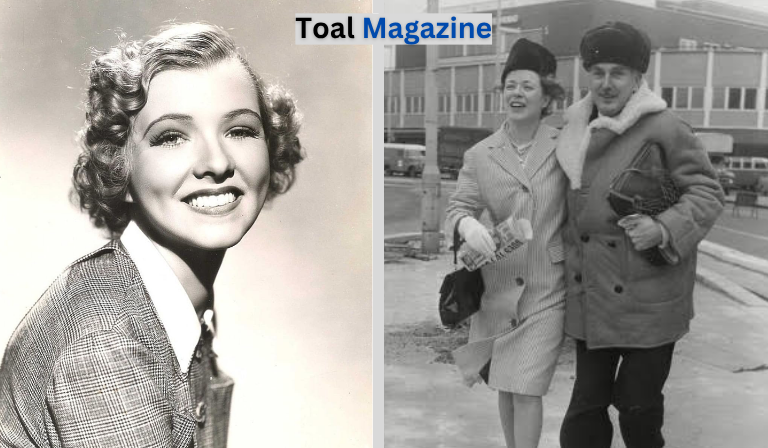
Contemporary descriptions and photographs show her as an elegant and confident television figure. Her appearance, poise, and natural delivery contributed to her popularity, particularly during the period when she appeared regularly on television panel programmes.
However, her public appeal was about more than appearance. Her journalism, quick responses, and ability to communicate comfortably with audiences were central to her success.
Career and Major Achievements
The most significant achievement associated with Elwes was her work for the BBC programme ** Tonight **. She became a roving reporter between 1959 and 1962, a position that was especially notable because relatively few women were given prominent reporting roles on major current-affairs television programmes at the time.
Tonight was an important programme in the development of British television journalism. Its format brought news, interviews, human-interest stories, and current affairs into viewers’ homes in an accessible way. Elwes’ work fitted naturally into this approach because she could combine journalistic professionalism with an engaging on-screen personality.
Her role was important symbolically as well as professionally. By reporting from locations rather than appearing only in a conventional studio role, she demonstrated that women could participate directly in the field of television journalism.
Polly Elwes on British Television
Her television career did not stop with current affairs. Elwes became a familiar figure across British entertainment programming and appeared as a panellist on several popular shows.
One of these was What’s My Line?, a programme built around contestants and celebrity panel members attempting to identify occupations. Her presence on the show helped strengthen her profile with audiences who knew her not only as a reporter but also as an entertaining television personality.
She also appeared on Juke Box Jury, a popular music programme that invited celebrities to discuss and judge new records. Her television work on programmes of this kind showed how easily she could move between serious journalism and light entertainment.
Another programme associated with her was Face the Music, a music quiz that provided another platform for her public personality. These appearances helped make her one of the recognizable female faces of British television during its formative years.
A Career Beyond Journalism
What made her career especially interesting was its variety. Many broadcasters of her generation developed a strong identity in one particular area, but Elwes successfully moved between journalism, entertainment, and lifestyle programming.
She had an ability to communicate with viewers in different formats. Her journalism required confidence and curiosity, while panel programmes demanded quick thinking and personality. Later, her beauty and lifestyle work required another kind of presentation style.
This versatility gave her career a distinctive character and helped ensure that she remained relevant as television programming evolved.
Polly Elwes as a Beauty Expert
Later in her career, Elwes took on a new professional role as a beauty expert and presenter. She hosted the 26-week television series Let’s Face It, which focused on beauty and personal presentation.
The programme also inspired a companion book of the same name, published in 1972. The book expanded her work beyond television and established her as a lifestyle personality as well as a broadcaster.
This transition was significant because it showed her willingness to reinvent herself. Rather than remaining associated only with the early television period in which she had first achieved fame, she entered a different branch of broadcasting that appealed to changing audience interests.
Relationship with Peter Dimmock
A major part of Polly Elwes’ personal story was her relationship with Peter Dimmock, a prominent figure in British broadcasting.
Dimmock was known for presenting Sportsview and for his work as the BBC’s Head of Outside Broadcasts. His career placed him at the center of major developments in British television, particularly in sports and live broadcasting.
Their relationship brought together two people with strong connections to the media industry. Both understood the pressures and public demands associated with broadcasting, although their professional paths were different.
Marriage and Family Life
Polly Elwes and Peter Dimmock married in March 1960. Around the same period, Elwes was moving away from the constant demands of full-time television broadcasting.
After marriage, she stepped back from full-time broadcasting to concentrate more heavily on raising her family. She and Dimmock had three daughters: Amanda, Christina, and Freya.
Her decision was significant because television careers could be extremely demanding, especially for performers and journalists working with live or fast-moving programming. By choosing to devote more time to her family, she entered a different phase of life after several years of intense professional visibility.
Even so, marriage and family did not erase her professional achievements. Her earlier television work continued to form the foundation of her reputation.
Social Media Presence
Polly Elwes lived and worked decades before the arrival of modern social media, so she did not have official social media accounts in the contemporary sense.
There are nevertheless photographs, archive references, biographies, and television-related material about her that can still be found in modern online collections. These records have helped preserve interest in her work and allow newer audiences to discover broadcasters from the early era of British television.
Her continuing online visibility is therefore largely archival rather than based on personal social-media activity.
Who Was Polly Elwes?
Polly Elwes was a British television broadcaster, radio journalist, and actress who became particularly famous in the late 1950s and early 1960s.
She is best remembered for being a pioneering female roving reporter on the BBC’s Tonight. She also developed a second identity as a television personality through appearances on panel and music programmes.
Later in life, she became a beauty expert and presenter, demonstrating a career that extended well beyond traditional news reporting.
Personality and Interests
Elwes’ television personality was one of the main reasons she became so recognizable. She had the confidence required for journalism but also possessed the warmth and spontaneity that worked well in entertainment programmes.
Her professional interests covered several areas, including current affairs, music, beauty, television performance, and journalism. Her ability to work across these subjects suggests a broadcaster who understood the importance of adapting to different audiences.
Her career also demonstrates that television personalities could develop several professional identities during a single lifetime.
Does Polly Elwes Have Children?
Yes. Polly Elwes and Peter Dimmock had three daughters: Amanda, Christina, and Freya.
After her marriage, Elwes reduced her commitment to full-time broadcasting and devoted significant attention to raising her children. Family life consequently became a major part of the later chapter of her life.
Although she remained associated with television through selected projects, her public career became less intensive than it had been during her peak years.
Net Worth and Income
There is no reliable, widely documented figure for Polly Elwes’ net worth. Financial records from television personalities of her era are often unavailable, and publicly reported estimates should therefore be treated cautiously.
Her income would have come primarily from her professional activities, including television broadcasting, journalism, acting, presenting, and her published beauty work. She achieved considerable visibility, but there is not enough credible evidence to provide a precise personal fortune.
For that reason, any exact net-worth figure attributed to her online should be approached with skepticism unless supported by strong documentary evidence.
Public Image and Legacy
The most enduring part of Polly Elwes’ public image is her status as a pioneering woman in British television journalism.
Her work on Tonight came during an important period when television news and current affairs were developing rapidly. Appearing as a roving reporter gave her a particularly visible role and helped challenge the idea that serious field reporting was primarily a male profession.
Her entertainment appearances added another layer to her legacy. She demonstrated that a woman could successfully move from journalism into panel shows, music programmes, and lifestyle television without losing public recognition.
Her later work in beauty broadcasting is also worth remembering because it illustrates the way television careers could evolve with changing viewer tastes. Through Let’s Face It and its 1972 companion book, she successfully entered a new area of broadcasting.
Although she died in 1987, her career remains relevant to the history of women in British media. Her professional journey shows how female broadcasters helped expand the range of roles available on television.
Final Thoughts
Polly Elwes had a career that was both varied and pioneering. From her early work as a reporter and journalist to her highly visible appearances on British television programmes, she became a recognizable public figure during an important period in broadcasting history.
Her contribution to Tonight stands out as one of her greatest achievements. At a time when television journalism offered limited opportunities for women, she took on a demanding reporting role and helped establish a stronger female presence in current affairs broadcasting.
Her marriage to Peter Dimmock, her three daughters, and her later decision to place greater emphasis on family life added another dimension to her story. Meanwhile, her transition into beauty television demonstrated her ability to adapt professionally.
Today, Polly Elwes is remembered not simply as a television personality, but as a woman who helped shape the early culture of British television and opened doors for future generations of female broadcasters.
FAQs About Polly Elwes
1. Who was Polly Elwes?
Polly Elwes was a British broadcaster, journalist, actress, and television personality best known for her reporting work on the BBC programme Tonight.
2. What was Polly Elwes famous for?
She was particularly famous for becoming a pioneering female roving reporter on Tonight between 1959 and 1962. She was also known for panel-show appearances and later beauty television.
3. When was Polly Elwes born?
Polly Elwes was born Mary Freya Elwes on 29 February 1928.
4. When did Polly Elwes die?
She died on 15 July 1987 in Newbury, Berkshire, England. She was 59 years old.
5. Who was Polly Elwes married to?
She was married to Peter Dimmock, a prominent BBC presenter and broadcasting executive, from March 1960.
6. Did Polly Elwes have children?
Yes. She and Peter Dimmock had three daughters named Amanda, Christina, and Freya.
7. What television programmes did Polly Elwes appear on?
Among the programmes associated with her career were Tonight, What’s My Line?, Juke Box Jury, Face the Music, and Let’s Face It.
8. What is Polly Elwes’ legacy?
Her biggest legacy is her pioneering contribution to British television journalism. She helped demonstrate that women could take prominent roles in current affairs reporting while also succeeding in entertainment and lifestyle television.